Embracing Traditional Chinese Medicine in Modern Diets: Holistic Eating for Balance and Health
How Ancient Wisdom Can Enhance Contemporary Nutritional Practices

Imagine a dietary approach that not only fuels your body but also brings harmony to your mind and spirit. This is not merely a modern wellness trend but a legacy drawn from thousands of years of Traditional Chinese Medicine (TCM). As more people seek alternatives to Western dietary models, TCM provides a holistic path that integrates the energetic qualities of food to promote balance and health. This ancient practice isn't just about what you eat, but how you connect with food in your daily life. From the bustling streets of Beijing to the serene tea gardens in Shanghai, the principles of TCM diet are revered not only for their health benefits but also for their soul-nourishing qualities.
Understanding the Core Principles of TCM Diets
The TCM dietary approach is grounded in the belief that food acts as medicine. It centers on the concepts of Yin and Yang, the five elements (wood, fire, earth, metal, water), and the vital flow of Qi (energy) through the body. Unlike many Western diets, which often focus purely on caloric intake and macronutrient ratios, TCM considers the thermal nature of food (hot, warm, neutral, cool, cold) and its effect on your body's energy balance. For example, cooling foods like cucumber and watermelon are recommended in summer to dispel heat, whereas warming foods like lamb and ginger are consumed in the winter to provide warmth. Such principles reflect a profound understanding of how our internal environment interacts with external seasonal changes.

Health Benefits of Integrating TCM Dietary Practices
Incorporating TCM into modern diets offers numerous health benefits. Foods are chosen not only for their nutritional content but also for their properties that strengthen the body’s systems. For instance, a TCM-based diet can support digestive health by emphasizing foods that aid digestion, such as rice and ginger, which harmonize the spleen and stomach according to TCM theory. Studies suggest that such dietary practices can improve gut health, reduce inflammation, and even bolster immune responses. Beyond these physical benefits, the TCM approach advocates eating mindfully and with gratitude, which proponents claim can reduce stress and improve mental well-being.

Practical Tips for Incorporating TCM Dietary Habits
To start incorporating TCM principles into your diet, focus on balance and moderation. Structure meals around whole, minimally processed foods that reflect the five tastes—sweet, sour, bitter, salty, and umami—each associated with a specific organ system. For example, sweet flavors (like those from grains or squash) are associated with the spleen and stomach and should be centered in meals aimed at boosting energy. Practice mindful eating by savoring each bite and contemplating the origins and effects of your food. Additionally, incorporate herbal teas like chrysanthemum or red dates tea to invigorate your energy and enhance digestion.

Pro Tips & Common Mistakes
When adopting TCM dietary practices, one common mistake is applying the principles without personalizing them to individual needs. TCM emphasizes that each body is unique, therefore diets should be tailored. Avoid overly rigid adherence to a set meal plan and instead tune into your body's signals. It's also important to consult with a TCM practitioner if possible, to better understand your own constitution and the energetic properties of different foods. Another tip is to gradually introduce TCM principles, allowing your taste buds and digestive system to adapt naturally to new foods and temperatures.
Exploring Cultural and Historical Contexts
Traditional Chinese Medicine has shaped dietary habits in China for millennia, influencing cultures beyond its borders as globalization introduces these principles worldwide. Originating over 2,500 years ago, TCM has always emphasized prevention over cure, a principle which is embodied in its dietary practices. Historically, TCM meals were designed not just for sustenance but to match the philosophical and spiritual beliefs of maintaining harmony with nature and the cosmos. As Western interest in holistic health grows, TCM’s rich history offers a fascinating context for understanding how ancient practices continue to align with modern lifestyle needs.
Final Thoughts
Integrating Traditional Chinese Medicine into your diet opens up a world of balanced and holistic eating. By understanding your unique needs and the energy of food, you can create meals that nourish both body and spirit. This ancient approach encourages listening to your body and appreciating food’s medicinal qualities, inspiring a deeper, more intuitive way of eating that aligns with the natural rhythms of life. Ready to begin this path? Start today by incorporating a simple TCM-inspired meal and observe the subtle changes it brings.
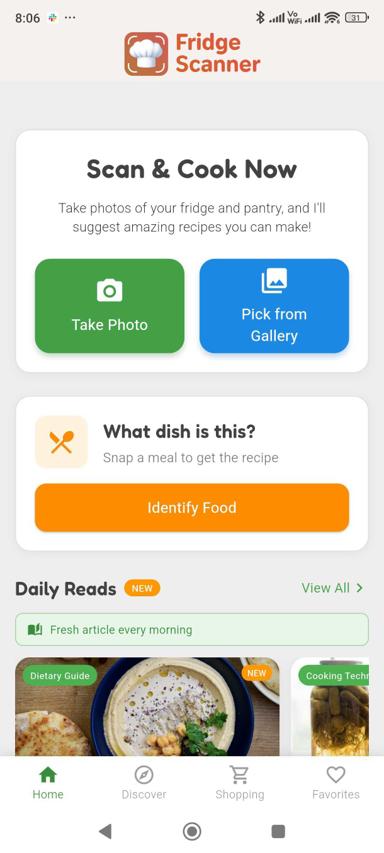
What's In Your Fridge? Get Recipes Instantly.
The free fridge recipe finder that turns your ingredients into delicious meals. Snap a photo of your fridge and get personalized recipes in seconds — no waste, no stress.
Scan Your Fridge
We identify your ingredients and suggest what to cook
Identify Any Dish
Snap a photo of any meal and get its recipe instantly
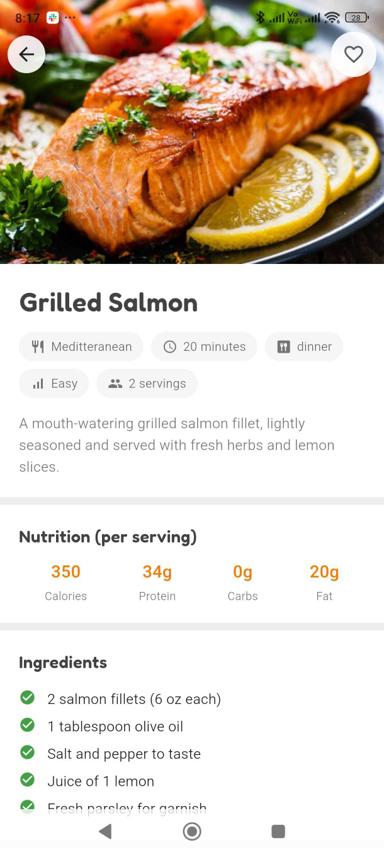
Smart Recipes
Personalized recipes based on what you have at home
Daily Articles
Fresh food content and culinary inspiration
You Might Also Enjoy

The Art and Science of Keto: Unlocking the Potential of Low-Carb, High-Fat Eating
22 min read

Mindful Eating: Transform Your Relationship with Food for Better Health
20 min read

Mastering the Nordic Diet: Nutrient-Rich Eating Inspired by Scandinavian Traditions
22 min read