Savor the Flavors: A Comprehensive Guide to the Mediterranean Diet
Unlock the Secrets of Heart-Healthy Eating with Mediterranean Delights

Imagine dining with friends on a sunlit terrace by the azure waters of the Mediterranean Sea. Your table is a colorful palette of fresh vegetables, grains, rich olive oil, and aromatic herbs, accompanied by a glass of robust red wine. This is not just a meal; it's a way of life that has captivated nutritionists worldwide. The Mediterranean Diet is celebrated for its potential to boost heart health, reduce inflammation, and foster longevity. In this comprehensive guide, we will delve into the depths of this revered dietary pattern, exploring its principles, health benefits, and practical ways to bring its rich flavors into your kitchen.
Understanding the Essence of the Mediterranean Diet
At its core, the Mediterranean Diet is not just a list of foods; it's a lifestyle deeply rooted in the culinary traditions of Greece, Italy, Spain, and other countries bordering the Mediterranean Sea. This diet emphasizes the consumption of whole, unprocessed foods: fruits, vegetables, whole grains, and legumes, complemented by healthy fats from nuts, seeds, and olive oil. Proteins are mainly derived from fish and seafood, with occasional poultry, eggs, and dairy. Red meat is consumed sparingly, and meals are often accompanied by a moderate amount of red wine. This dietary approach is more about savoring food and delighting in the cultural joy of a shared meal rather than restrictive eating.

Exploring the Health Benefits
The Mediterranean Diet has been extensively studied for its myriad health benefits, primarily its association with heart health. Research consistently shows that those adhering to this diet have a reduced risk of cardiovascular diseases, thanks to its abundance of heart-healthy fats like omega-3 fatty acids found in fish. Additionally, the diet's emphasis on plant-based ingredients helps manage weight, reduce the risk of type 2 diabetes, and lower LDL cholesterol levels. By reducing inflammation and oxidative stress, it also supports overall brain health and has been linked to a lower risk of cognitive decline in the elderly.

Bringing the Flavors to Your Table: Practical Tips
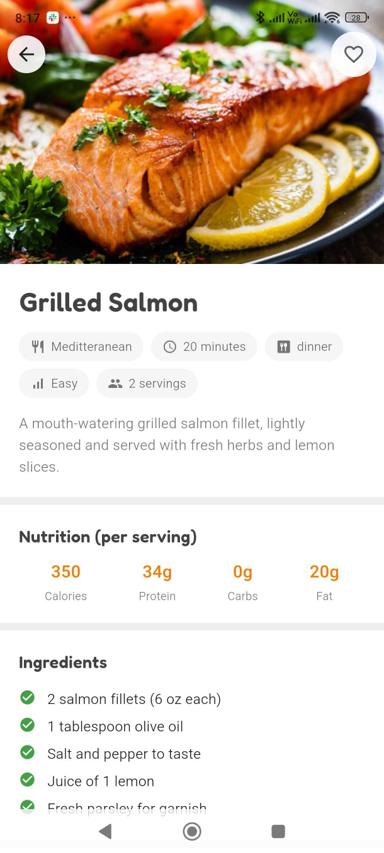
Getting started with the Mediterranean Diet can be as enriching as it is delicious. Begin by making olive oil your primary fat source and infusing flavor through herbs like oregano, basil, and rosemary. Meal planning becomes an exploration of flavors: start your day with Greek yogurt and a drizzle of honey, enjoy a lunch of fresh salad with chickpeas, cucumbers, and feta cheese, and dine on grilled salmon with a side of roasted vegetables for dinner. Incorporate legumes such as lentils and beans into soups and stews, and snack on nuts, seeds, and fruits. The focus here is on the abundance of choices rather than restrictions.

Pro Tips & Common Mistakes
While the Mediterranean Diet is relatively straightforward, there are common pitfalls to avoid. One of the biggest misconceptions is overconsumption of certain elements, such as wine or olive oil, forgetting the 'moderation' mantra key to this lifestyle. Also, beware of processed 'Mediterranean' foods marketed as healthy; always choose whole foods. Pro tip: prefer fresh, seasonal ingredients whenever possible — this not only enhances flavor but often delivers superior nutritional profiles. Lastly, remember, the Mediterranean Diet isn't a quick-fix but a long-term commitment to wellness.
The Cultural Heritage and Modern Adaptations
The Mediterranean Diet is as much about culture and community as it is about specific foods. Historically, Mediterranean populations have shared meals with family and friends, fostering a social and psychological environment that contributes to its success. Today, modern adaptations allow for flexibility while maintaining its core elements. For instance, vegan or vegetarian variations can effortlessly fit into this framework by focusing solely on plant-based foods. As you integrate these traditions into your diet, remember to embrace the broader lifestyle: enjoy leisurely meals, be mindful of portions, and balance your plate with diverse nutrients.
Final Thoughts
The Mediterranean Diet is more than simply a way of eating — it's an opportunity to embrace a lifestyle that nurtures both body and spirit. By prioritizing fresh, wholesome foods and relishing their vibrant combinations, you can embark on a path to better health and culinary enjoyment. Whether you’re looking to improve heart health, achieve weight management, or simply explore new culinary horizons, adopting the Mediterranean Diet may be the start of a fruitful journey, one delicious meal at a time.
What's In Your Fridge? Get Recipes Instantly.
The free fridge recipe finder that turns your ingredients into delicious meals. Snap a photo of your fridge and get personalized recipes in seconds — no waste, no stress.
Scan Your Fridge
We identify your ingredients and suggest what to cook
Identify Any Dish
Snap a photo of any meal and get its recipe instantly
Smart Recipes
Personalized recipes based on what you have at home
Daily Articles
Fresh food content and culinary inspiration

You Might Also Enjoy

The Power of Fermented Foods: A Comprehensive Guide to Gut Health and Flavor Boosting
20 min read

Unlocking the Power of Ayurvedic Eating: Balancing Your Life Through Food
20 min read

Harnessing the Power of Mindful Eating: A Guide to Transforming Your Relationship with Food
15 min read