The Ultimate Guide to Sous Vide: Mastering Precision Cooking at Home
Achieve restaurant-quality results with sous vide techniques in your own kitchen

Picture this: a perfectly cooked steak, edge-to-edge pink, with a seared, caramelized crust that tastes as if it belongs in a Michelin-starred restaurant. Surprisingly, achieving this level of precision in your home kitchen is possible with the aid of an innovative cooking technique called sous vide. Translating to 'under vacuum' in French, sous vide cooking involves vacuum-sealing food in a bag and cooking it to the exact degree of doneness in a water bath. This method, which was once a secret weapon of professional chefs, is now accessible to passionate home cooks seeking impeccable results.
Sous vide gained popularity in the culinary world with promises of unparalleled precision and consistency. By holding food at a precisely controlled temperature, sous vide allows ingredients to cook evenly without the risk of overcooking or drying out. Imagine juicy chicken breasts and succulent pork chops every single time. Whether you are a seasoned cook or a curious culinary novice, understanding sous vide can transform the way you approach meal preparation.
Understanding the Science of Sous Vide
The term 'sous vide' might sound intimidating, but the science behind it is fascinating and straightforward. At its core, sous vide revolves around precise temperature control. When you cook traditionally—say on a grill or in the oven—the heat causes the external parts of the food to cook rapidly, while the interior gradually reaches the desired level. This often results in a compromise; by the time the center of your steak is perfectly medium-rare, the outside might be charred or dry.
Sous vide eliminates this guesswork. By vacuum-sealing food in a plastic bag and immersing it in a water bath maintained at a specific temperature, it perfectly cooks food throughout. Drop your chicken breast into a water bath at exactly 140°F (60°C), and after the requisite time, it will be cooked to that precise temperature—juicy and tender.
This precision ensures consistent results, which are difficult to achieve with conventional cooking methods. Sous vide also results in enhanced flavor retention and improved texture compared to traditional methods, as the vacuum-sealed environment prevents loss of moisture and flavors.

Essential Sous Vide Equipment
To get started with sous vide at home, you'll need a few key pieces of equipment. First, the sous vide immersion circulator or precision cooker is the heart of the process. These affordable devices clip onto the side of a pot, circulate water to maintain a steady temperature, and can be controlled with digital precision. Brands like Anova and Joule offer user-friendly models that sync with smartphone apps, allowing you to monitor progress.
Next, you'll need a vacuum sealer to remove air from the cooking bags, ensuring an even cooking environment. While dedicated vacuum sealers are great, simple zip-top bags can perform well when air is pressed out by hand.
Finally, you require a sturdy pot or a heat-proof container to fill with water. Some enthusiasts invest in polycarbonate containers that are insulated to hold more heat, but a deep pot will typically suffice for beginners.

Step-by-Step Guide to Perfectly Cooked Sous Vide Dishes
Start by selecting a cut of meat or vegetables. For illustration, let’s cook a classic beef steak. Begin by seasoning the steak with salt, pepper, and any herbs or spices you enjoy.
1. **Vacuum Seal the Steak**: Place the seasoned steak in a vacuum-sealable bag. You can add aromatics like garlic, rosemary, or butter for flavor enhancement. Use a vacuum sealer or carefully remove air using the water displacement method with a zip-top bag.
2. **Prepare the Water Bath**: Attach your immersion circulator to a pot or container filled with water, and set the desired temperature. For medium-rare steak, aim for 129°F (54°C).
3. **Cook the Steak**: Once the water has reached the target temperature, submerge the sealed steak into the bath. Cooking time can range from 1 to 4 hours, but 2 hours typically yield a tender texture for a 1-inch-thick steak.
4. **Searing**: Post bath, remove the steak from the bag and pat it dry to achieve a good sear. Heat a skillet or grill to high heat, searing the steak for about 1 minute per side. This creates a crust that enhances flavor and texture without cooking the interior further.

Pro Tips & Common Mistakes
While sous vide is somewhat foolproof, there are pitfalls to avoid. Ensure bags are completely sealed to prevent water ingress—this can alter flavor and texture. Always use an appropriate temperature and time for each food type. Overcooking isn't common but can lead to mushy textures if left sous vide for many hours past the recommended time.
Pro tip: If using zip-top bags, lower them into the water bath while sealing to naturally expel air—a method known as the 'Archimedes principle'. This helps with achieving a good vacuum if you lack a vacuum sealer. Another tip is to let larger cuts of meat, like a roast, stop cooking in an ice water bath after sous vide and before searing, allowing a texture that’s firm enough for easy browning.
Showcasing Sous Vide Dishes: Recipes to Try
Beyond steak, sous vide excels with several dishes. Try making sous vide egg bites—cooked at 167°F (75°C) for about one hour for a custardy texture that’s akin to a beloved coffee-shop treat.
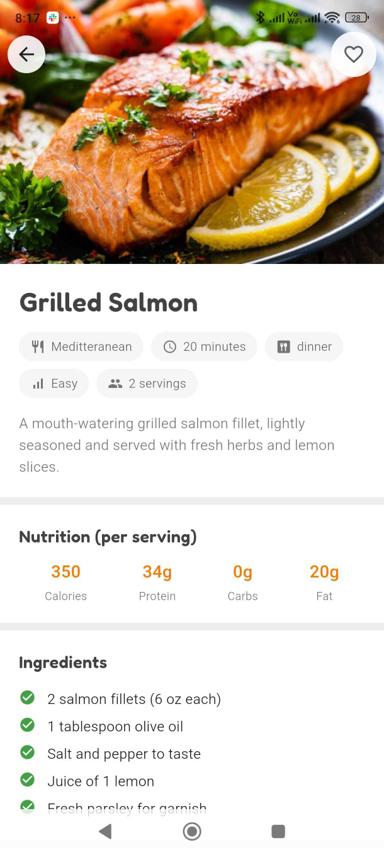
For seafood, sous vide salmon can revolutionize your dining—exuding a perfect, melty texture at 115°F (46°C) for 45 minutes. Vegetables too benefit; carrots cooked for one hour at 183°F (84°C) become sweet and vibrant.
Lastly, consider desserts. Custards like crème brûlée are ideal for sous vide, offering consistent doneness throughout. Prepare custard in jars, cook them at 176°F (80°C) for an hour, then chill and finish with the classic sugar top.
Final Thoughts
Sous vide transforms the cooking landscape, empowering both amateur and experienced chefs to craft exquisite dishes with newfound confidence. The precision of sous vide allows you to create consistently perfect flavors and textures that were once exclusive to professional kitchens. From entrees like juicy steaks to delicate fish, and even side dishes and desserts, the possibilities are endless. Embrace sous vide in your culinary arsenal and embark on a new journey of flavor exploration.
What's In Your Fridge? Get Recipes Instantly.
The free fridge recipe finder that turns your ingredients into delicious meals. Snap a photo of your fridge and get personalized recipes in seconds — no waste, no stress.
Scan Your Fridge
We identify your ingredients and suggest what to cook
Identify Any Dish
Snap a photo of any meal and get its recipe instantly
Smart Recipes
Personalized recipes based on what you have at home
Daily Articles
Fresh food content and culinary inspiration

You Might Also Enjoy

Mastering the Art of Confit: Transforming Ingredients with Ancient Preservation Techniques
16 min read

The Ultimate Guide to Fermentation: Harnessing Nature's Time-Tested Technique for Flavor and Health
20 min read

Mastering the Art of Poaching: Transform Everyday Ingredients into Elegant Dishes
25 min read