Unlocking the Secrets of the Mediterranean Diet: A Culinary Journey to Health and Flavor
Exploring the Principles, Benefits, and Delicious Recipes of a Time-Honored Dietary Pattern

It's a sun-drenched afternoon in the shadows of olive groves that have been whispering tales for centuries. Here, amidst the radiant azure waters of the Mediterranean, a profound lifestyle promises not just vibrant flavors but lasting health—a lifestyle born from a diet that's been lauded as one of the healthiest in the world: the Mediterranean diet. Picture a gathering around a rustic table, where dishes brimming with colorful vegetables, glistening extra virgin olive oil, and freshly caught seafood promise both joy and wellness. While this may sound like a picturesque dream, the Mediterranean diet offers real, evidence-backed pathways to decrease the risk of chronic diseases and extend lifespan. Let's embark on a journey to uncover what makes this dietary pattern so cherished and how you can bring its benefits into your everyday life.
The Core Principles of the Mediterranean Diet
Rooted in the culinary traditions of countries like Greece, Italy, and Spain, the Mediterranean diet is more than just a way of eating; it's a lifestyle. At its heart is a focus on plant-based foods such as fruits, vegetables, whole grains, nuts, and legumes. Olive oil, revered here as liquid gold, is the primary source of fat, often used generously yet thoughtfully. Fish and seafood are common, at least a couple of times a week, offering a rich source of omega-3 fatty acids. Poultry, eggs, cheese, and yogurt are consumed in moderation, while red meat is eaten less frequently.
But the Mediterranean diet is also about enjoyment and social interaction—it's about sitting down for meals with family and friends, savoring food, and engaging in conversation. Moreover, it's a diet bolstered by regular physical activity and a mindful, balanced approach to consuming wine.
For instance, a typical day might begin with a breakfast of whole-grain toast dipped in olive oil, paired with strawberries and a sprinkling of almonds. Lunch could be a hearty salad of tomatoes, cucumber, and feta drizzled with olive oil and lemon juice, while dinner brings grilled fish with roasted vegetables.

Health Benefits That Speak Volumes
The Mediterranean diet isn't just a collection of appealing food choices; it's backed by decades of research demonstrating its numerous health benefits. Studies consistently show that it reduces the risk of cardiovascular diseases, offers protection against type 2 diabetes, and can be a powerful ally against certain types of cancer.
One notable research, the PREDIMED study, highlighted that participants who followed a Mediterranean diet enriched with extra virgin olive oil or nuts significantly reduced their risk of major cardiovascular events. Moreover, another large-scale analysis found that it may help ward off cognitive decline, offering protection against neurodegenerative diseases like Alzheimer's.
The healthy fats primarily derived from olive oil and nuts play a crucial role here, alongside a plant-based focus that equips the body with essential vitamins, minerals, and antioxidants. These elements combined promote a healthy heart, brain, and overall metabolic function.

Making the Mediterranean Diet a Practical Reality
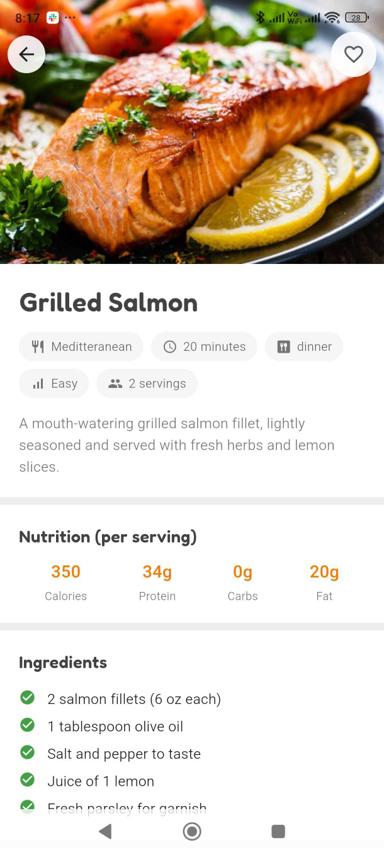
Transitioning to a Mediterranean way of eating need not be daunting. Begin by making simple swaps, perhaps by choosing extra virgin olive oil over butter for your bread or by adding a serving of vegetables to every meal. Incorporate more seafood into your weekly menu—try grilling salmon or sardines, or making a stew with mussels.
Embrace the abundance of fruits and vegetables available, opting for seasonal and local when possible. A Mediterranean-inspired grocery list could include staples such as olives, garlic, walnuts, spinach, chickpeas, and red peppers.
Experiment with dishes like shakshuka, a savory blend of tomatoes, peppers, and seasoned poached eggs, or moussaka, a layered delight of eggplant and lamb topped with a creamy béchamel sauce for special occasions. Emphasizing herbs and spices such as basil, oregano, and rosemary can also add depth and flavor without the need for extra salt.

Pro Tips & Common Mistakes
Pro Tips: Start small by incorporating Mediterranean elements into meals you already enjoy; toss a handful of spinach into your morning omelet or snack on Greek yogurt with a drizzle of honey and nuts. Invest in quality olive oil—a good rule is to look for oils in dark bottles labeled with harvest dates.
Common Mistakes: Avoid the misconception that all pasta is a staple food. While pasta can be part of the diet, it should be whole grain or prepared in smaller, less frequent portions. Overemphasizing cheese can also lead to nutritional pitfalls; it’s meant for moderation.
Remember that it’s less about replicating the Mediterranean diet exactly and more about adapting its principles to fit your lifestyle while maintaining balance and enjoyment.
Exploring the Cultural Tapestry
The Mediterranean diet is deeply intertwined with the history and culture of its region, originating from civilizations that have long influenced Western culinary practices. The way these foods are prepared and consumed owes much to ancient traditions that value seasonal produce, preservation techniques, and communal meals.
This sociocultural aspect extends the diet’s benefits beyond nutrition—it's about experiencing food in a way that fosters connection, reduces stress, and enhances satisfaction. Variations abound even within Mediterranean regions, such as the differences between a Greek mezze, a collection of small dishes to sample and share, and Italian antipasti, highlighting the cornucopia of this diet’s flexibility and appeal.
Ultimately, the Mediterranean diet is more than a nutritional choice; it’s a celebration of life, comfort, and vitality with roots that weave through the fabric of history.
Final Thoughts
The Mediterranean diet is a beacon of holistic health and timeless culinary enjoyment. By embracing its principles, you can savor delicious, heart-healthy meals that evoke sunny gatherings on the coastlines of Europe. Start today with small adjustments, making olive oil your culinary companion and vegetables the star of your plate. Share your table with loved ones and savor every bite, for it is in these traditions that the true spirit of the Mediterranean diet finds its voice, inspiring not just a diet, but a lifestyle.
Stop Wasting Food. Start Cooking Smarter.
FridgeScanner turns the ingredients you already have into delicious meals. Snap a photo of your fridge and we'll create recipes for you instantly.
Scan Your Fridge
We identify your ingredients and suggest what to cook
Identify Any Dish
Snap a photo of any meal and get its recipe instantly
Smart Recipes
Personalized recipes based on what you have at home
Daily Articles
Fresh food content and culinary inspiration