Exploring the Mediterranean Diet: A Pathway to Health and Flavorful Living
Unlock the secrets of this timeless diet for a vibrant, heart-healthy lifestyle

Imagine a sun-drenched table overlooking the azure waters of the Mediterranean, where dishes are filled with vibrant colors and irresistible aromas. The Mediterranean diet isn't merely a way of eating; it's a way of life deeply ingrained in the cultures bordering the sea. Originating centuries ago, this diet has been lauded for its incredible health benefits, including reducing the risk of heart disease, certain cancers, and diabetes. Moreover, it provides an enjoyable and sustainable approach to eating that emphasizes pleasure, moderation, and seasonal abundance.
Many people come to the Mediterranean diet seeking a healthier lifestyle but remain for the flavors. Whether it's the rich, peppery undertones of extra virgin olive oil, the sweet bite of vine-ripened tomatoes, or the briny burst of olives, this diet transforms ordinary meals into culinary masterpieces. But beyond its sensory appeal, the Mediterranean diet offers a host of health benefits backed by science, making it a perfect candidate for those looking to nourish both body and soul.
Dive with us into this Mediterranean journey, as we unpack its core principles and provide you with actionable insights to effortlessly incorporate these time-tested practices into your everyday meals.
Understanding the Core Principles of the Mediterranean Diet
The Mediterranean diet is rooted in the traditional dietary patterns of countries bordering the Mediterranean Sea, including Greece, Italy, and Spain. Its key principles are surprisingly simple and adaptable. The diet is predominantly plant-based, with a focus on fruits, vegetables, whole grains, nuts, and seeds. Olive oil, rich in monounsaturated fats, serves as the main source of added fat, lending both health benefits and depth of flavor to dishes.
Proteins come from both plant and marine sources. Legumes like chickpeas and lentils feature prominently, providing fiber and protein without the heaviness of red meats. Fish and seafood are consumed regularly, rich in omega-3 fatty acids, which are excellent for heart health. Meanwhile, red meat is reserved for special occasions. Dairy is enjoyed in moderation, often as yogurt or cheese, which adds creaminess and a nutrient boost to meals.
Wine, particularly red, is consumed in moderation alongside meals, not for intoxication, but as a complement to food. This ethos fosters a culture of slow, enjoyable dining experiences. Meals are integral social occasions, encouraging a mindful approach to eating that emphasizes quality over quantity.

Health Benefits Supported by Science
The Mediterranean diet is consistently ranked among the healthiest diets globally, a testament to its robust credentials. Research indicates a myriad of health benefits, particularly in reducing cardiovascular risks. A landmark study, the PREDIMED trial, demonstrated that individuals following a Mediterranean diet rich in olive oil or mixed nuts experienced a significant reduction in heart disease.
Beyond heart health, this dietary approach also shows promise in diminishing the risk of stroke, type 2 diabetes, and certain cancers. Its anti-inflammatory properties are beneficial for managing chronic conditions and enhancing cognitive health. The abundance of antioxidants from fruits and vegetables helps combat oxidative stress, slowing aging and reducing disease risk.
Moreover, the Mediterranean diet may contribute to better weight management. Thanks to its balanced approach, it avoids extremes and encourages sustainable, long-term habits rather than quick fixes. People who adopt this dietary pattern often report feeling more satisfied and less deprived, which helps maintain their healthy lifestyle.

Getting Started: Practical Tips and Meal Ideas
Transitioning to a Mediterranean diet can be straightforward and enjoyable with a few simple changes. Start by swapping butter for olive oil in your cooking and finish dishes with a drizzle of this heart-healthy fat. Aim to fill your plate with an array of colorful vegetables, turning them into the centerpiece rather than an afterthought.
Build your meals around plant-based staples like beans, lentils, and whole grains such as quinoa and farro, which add fiber and texture. Instead of sugary snacks, reach for a handful of nuts, fresh fruit, or a yogurt parfait topped with berries and a drizzle of honey.
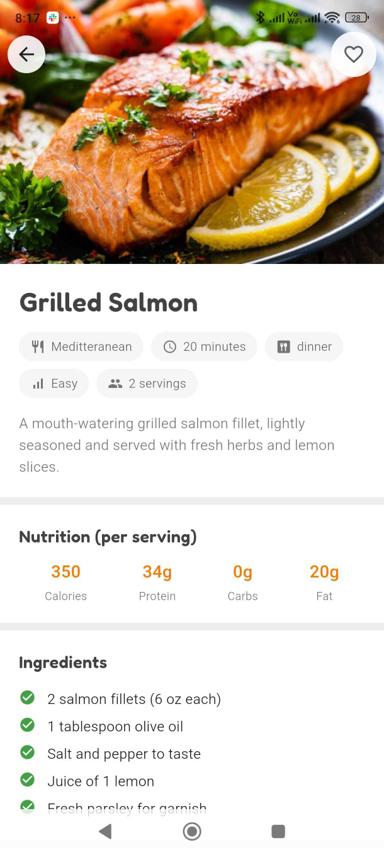
For breakfast, try avocado toast drizzled with olive oil and topped with tomato slices. Lunch could be a large salad of greens, chickpeas, olives, feta, and grilled chicken. Dinner might consist of grilled salmon with a side of couscous and roasted vegetables. These meals are not only simple to prepare but also delightfully flavorful.

Pro Tips & Common Mistakes
A key tip for embracing the Mediterranean diet is to focus on the quality of ingredients. Opt for fresh, locally sourced produce and high-quality extra virgin olive oil. Not all olive oils are created equal; look for those labeled 'extra virgin' for the best taste and nutritional profile.
One common mistake is overconsumption of wine. While moderate wine intake can be beneficial, excessive drinking can negate the diet's benefits. Stick to a glass with meals, reflecting the moderation practiced in Mediterranean regions.
Another pitfall is assuming Mediterranean food equals low-calorie. While it's healthy, portions and balance are vital. Always prioritize vegetables and whole grains, and use olive oil liberally but judiciously.
Cultural Significance and Historical Context
Historically, the Mediterranean diet is more than just a collection of food choices—it's a reflection of the region's climate, economy, and social structures. Olive trees, a staple, have been cultivated for thousands of years in the region, shaping both the landscape and the diet. Citrus fruits and vineyards are equally iconic, demonstrating the diet's reliance on what the land naturally provides.
Culinary traditions in the Mediterranean are an expression of frugality and resourcefulness, born from necessity in an environment where resources needed to be used wisely. Each meal is imbued with traditions passed down through generations, making it an affair not just of sustenance but also of cultural heritage.
By incorporating these traditional foods and practices into modern meals, home cooks worldwide can create delicious, healthy dishes that honor both body and tradition.
Final Thoughts
The Mediterranean diet encourages a symphony of flavors, health, and community. By integrating its principles into your lifestyle, you can enjoy meals that are not just beneficial but also deeply satisfying. Whether you start with small changes or a full embrace, the Mediterranean way offers something for everyone. Let each meal be an opportunity to savor not just food, but the rich tapestries of life and tradition they represent. Take this timeless approach and adapt it to your kitchen, letting it nourish both your body and your spirit.
Stop Wasting Food. Start Cooking Smarter.
FridgeScanner turns the ingredients you already have into delicious meals. Snap a photo of your fridge and we'll create recipes for you instantly.
Scan Your Fridge
We identify your ingredients and suggest what to cook
Identify Any Dish
Snap a photo of any meal and get its recipe instantly
Smart Recipes
Personalized recipes based on what you have at home
Daily Articles
Fresh food content and culinary inspiration

You Might Also Enjoy

Embrace Plant-Based Eating: A Comprehensive Guide to Healthier Living
20 min read

The Ultimate Guide to Plant-Based Eating: Transform Your Health and Plate with Ease
20 min read

Unlocking the Secrets of the Mediterranean Diet: A Culinary Journey to Health and Flavor
20 min read